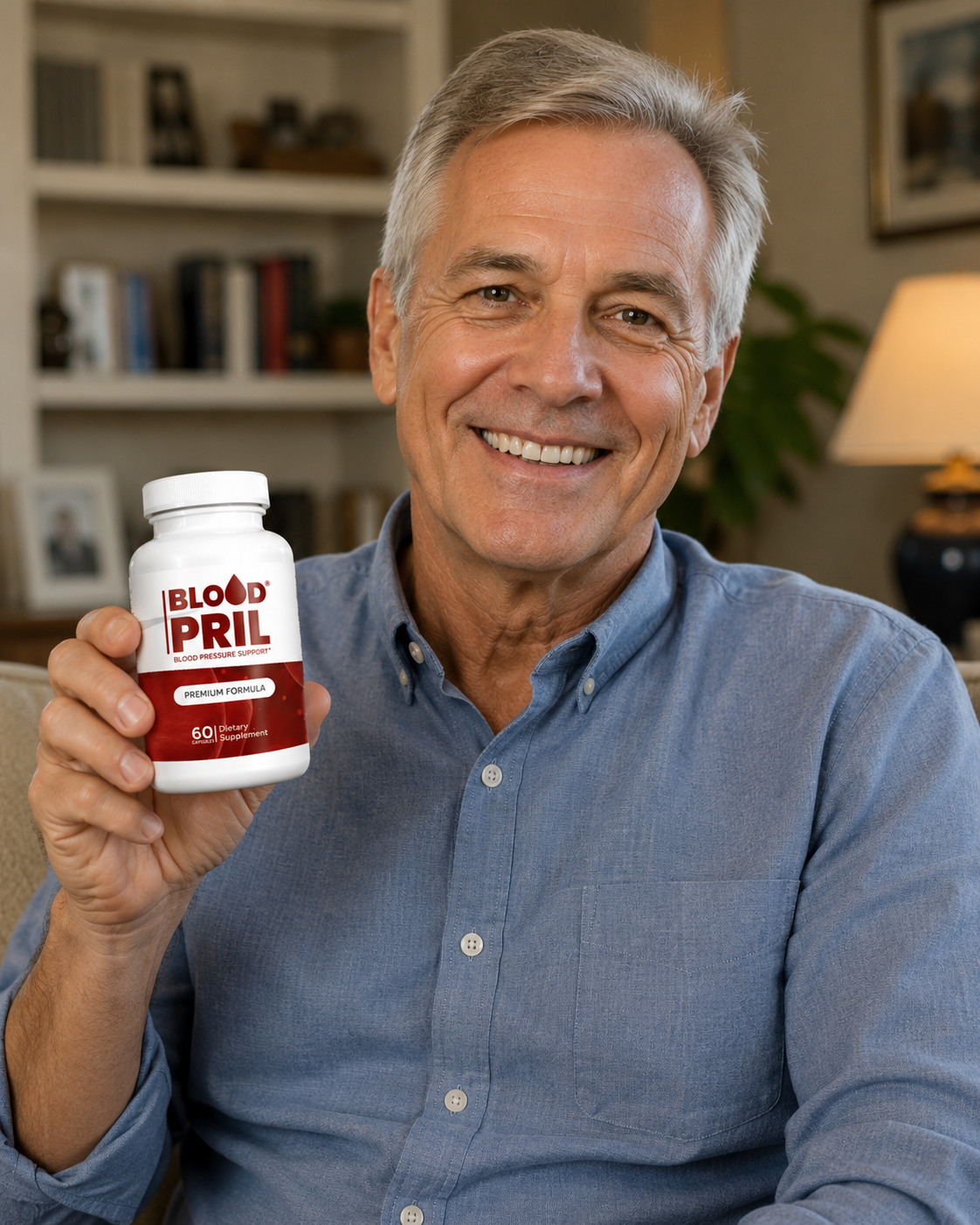
For Eight Years I Managed the Symptoms Without Addressing the Vascular Root. My Cardiologist Finally Explained What Was Actually Happening — and Three Amino Acids Fixed What Years of Symptom Management Never Could.
I'm 61 years old. I retired two years ago after 32 years as a civil engineer — a career built on precision, on understanding the systems underneath visible problems, and on addressing root causes rather than surface symptoms. When my cardiovascular health started declining in my early fifties, I approached it the way I would have approached a structural problem at work: I followed every recommendation, took every prescribed approach, made every lifestyle adjustment. For eight years I managed the symptoms diligently.
The heaviness in my head that arrived on demanding days. The fatigue that seemed disproportionate to my activity level. The awareness of my own circulation that healthy people don't experience — the sense that my heart was working harder than it should for what it was being asked to do. My cardiologist ran panels, monitored my numbers, and recommended continued management. I did everything I was told. The underlying vascular function didn't improve proportionally.
The conversation that changed my understanding happened when I requested a detailed explanation of the mechanism — the engineering of what was actually happening. My cardiologist explained something that reframed everything: that the body's ability to maintain healthy vascular function depends primarily on nitric oxide — the molecule that signals arterial walls to relax and dilate, allowing blood to flow with less resistance and less effort from the heart. When nitric oxide production declines with age, arterial walls stiffen, resistance increases, and the cardiovascular system has to work significantly harder to maintain circulation. The symptoms I'd been managing were downstream of this one root mechanism.
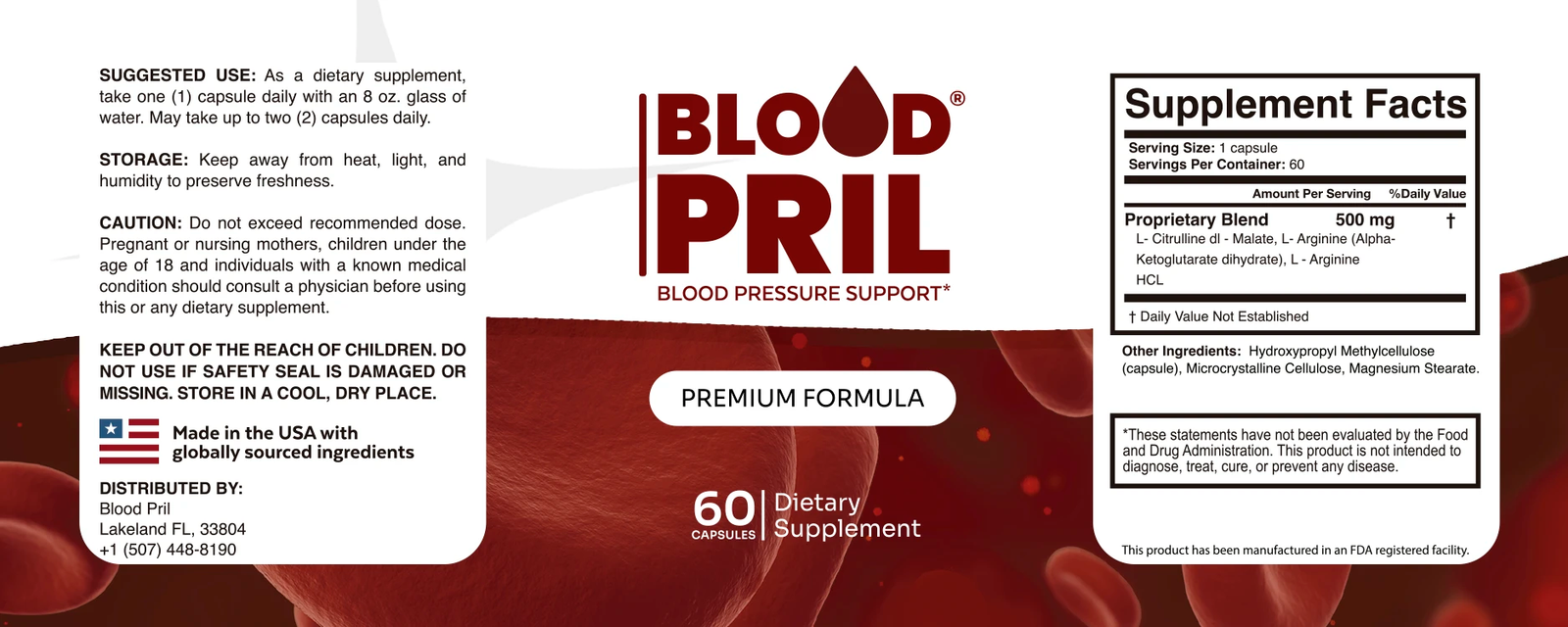
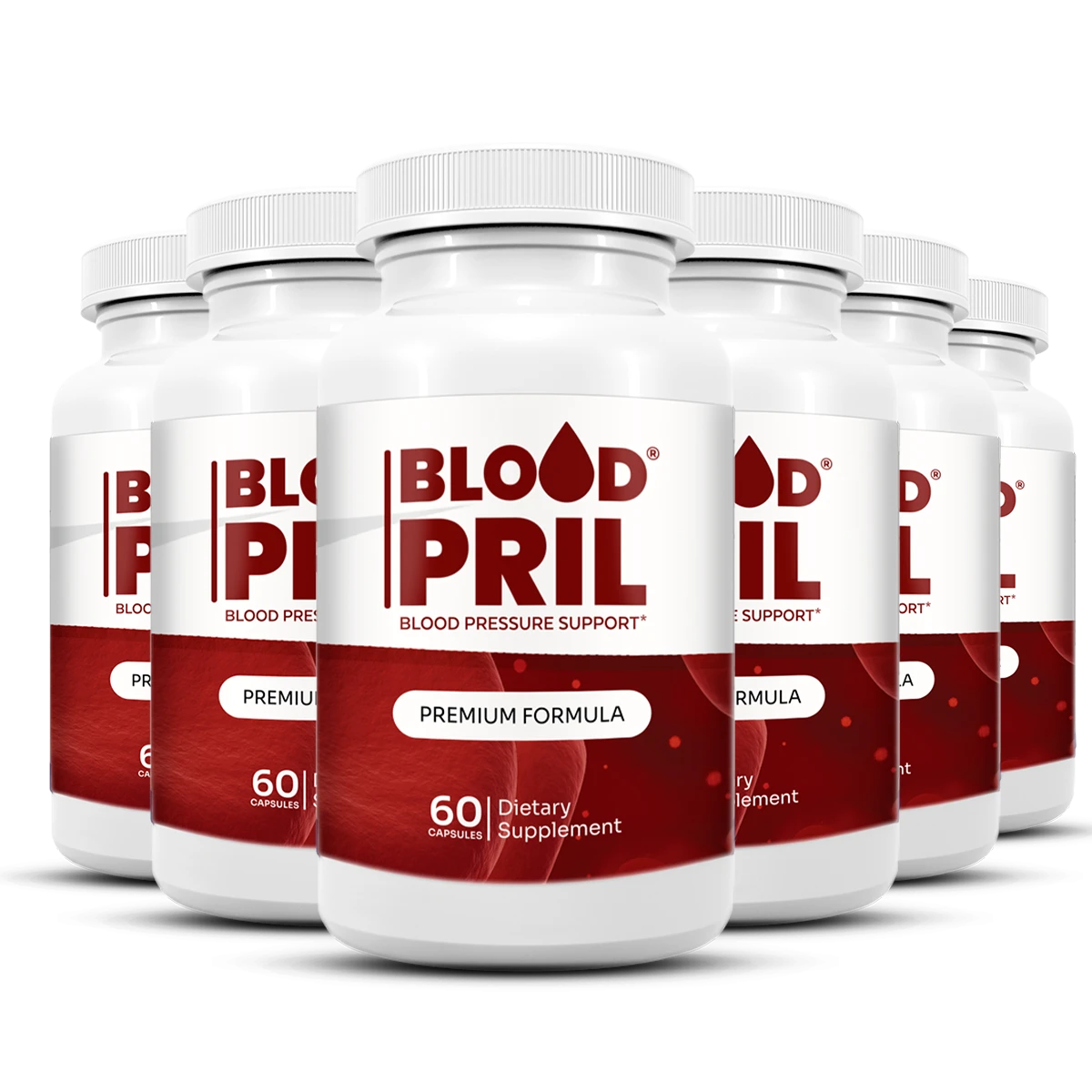
He mentioned L-Arginine as the most bioavailable direct precursor to nitric oxide production — the amino acid the endothelium uses to produce the molecule that "opens up" blood vessels. He mentioned L-Citrulline as the "long-lasting fuel" for nitric oxide — converted in the kidneys to L-Arginine, extending the vasodilating effect throughout the day. When I found BloodPril — combining three optimized forms of these amino acids in a single daily capsule specifically designed to support nitric oxide production and vessel elasticity — I bought the 6-bottle kit and gave it a genuine 6-month protocol. What followed was the most significant improvement in my vascular wellness and daily energy I had experienced in eight years of management.