
Three Years of "Watch Your Diet." One Conversation That Finally Changed Something.
I'm 53 years old. I'm a high school history teacher — which means long days on my feet, inconsistent mealtimes, and the kind of chronic low-grade stress that accumulates quietly over decades without ever reaching a crisis point. I've always been health-conscious in a practical sense. I cook most of my meals. I walk regularly. I've never smoked. By most measures, I was doing things right.
What my annual checkups kept showing was a different story. My fasting numbers were creeping upward year by year — never dramatically, always "borderline," always accompanied by the same recommendation: eat better, move more, come back in six months. I followed that advice consistently. The trend continued anyway. The gap between the effort I was putting in and the results those efforts were producing kept widening in ways I couldn't explain through diet or exercise alone.
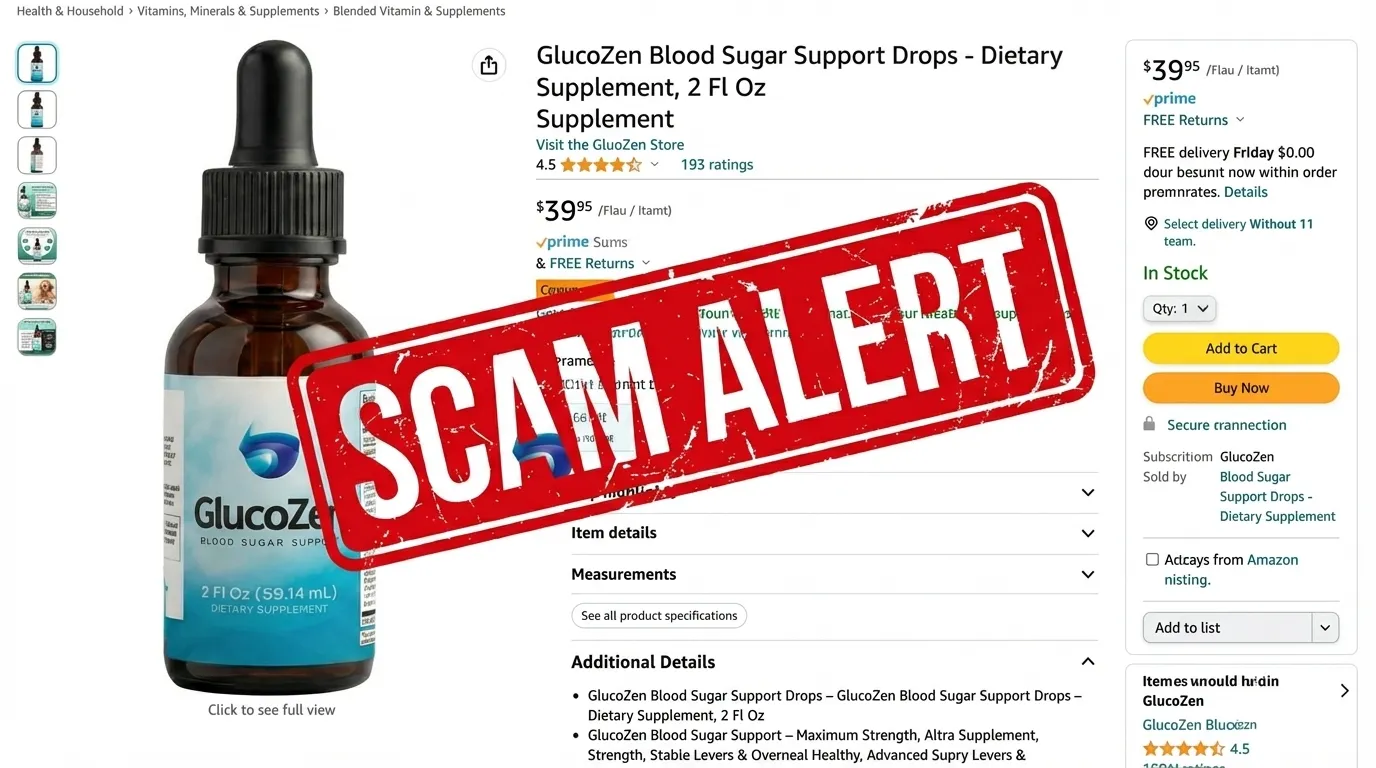
A colleague who had been through a similar experience two years earlier was the one who shifted my thinking. She wasn't a nutritionist or a doctor — she was a chemistry teacher who had done her own research on how botanical compounds interact with metabolic function at the cellular level. She mentioned Berberine, Gymnema Sylvestre, and White Mulberry Leaf not as supplement marketing but as compounds with documented mechanisms for supporting how the body processes carbohydrates and maintains energy balance. That was the conversation that led me to research GlucoZen specifically.
The formula combined eight of those botanical compounds in a liquid drop format — higher bioavailability than capsules, simple daily protocol, no complicated timing. I bought the 6-bottle kit with the 60-day guarantee and committed to consistent daily use alongside the habits I already had. What happened over the following months was the first meaningful, sustained improvement I'd seen in three years of trying.